Producers worldwide gearing up for Halal products
Author: Ola Thomas | Category: Diet & Nutrition, Uncategorized
 The global industry for Halal food and lifestyle products – ones that meet Islamic law standards of manufacture – is estimated to be worth hundreds of billions of dollars and is multiplying as Muslim populations grow.
Producers outside the Muslim world, from Brazil to the US and Australia, are eager to tap into the market…
13 Apr 2015
 Two new reports that analysed research on vitamin D supplements found there’s no reason to get excited yet about any possible health benefits.
 Tim Noakes’ high-fat, low carb diet (Banting) has created more than a stir among professionals and the public, but there’s no denying that it’s worked for him since he is predisposed to develop adult-onset diabetes –
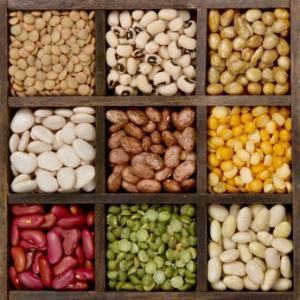 Eating beans, lentils and other legumes may help you cut down on LDL “bad” cholesterol and lower your risk for heart disease, a new review suggests.
 Women who eat a lot of fat, particularly saturated fat, may be at higher risk of certain types of breast cancer, new research suggests.
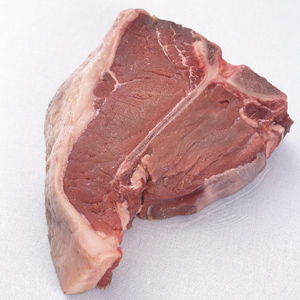 The Banting diet has a cult following for those wanting to drop kilos or cut their risk of lifestyle diseases. But contrary to popular belief, this way of eating is supposed to be high in fat, not protein. Misguided dieters end up eating more red meat, and sometimes even processed meat!
 With summer on the horizon, the pressure to lose weight is fast creeping in, making “fad” diets cross the minds of many overweight South African women. These diets demand fasting, virtually no carbs or liquid food shakes and is notoriously hard to stick to.
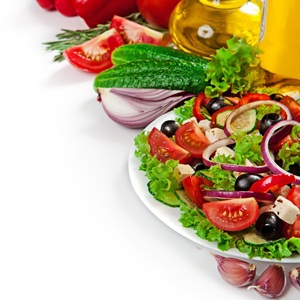 The study compared a low-fat diet to a Mediterranean diet – a diet rich in whole grains, vegetables, fruits, legumes, nuts, fish and olive oil. The Mediterranean diet was supplemented with either extra nuts or extra virgin olive oil.
 Tiger Brands’s grains division has recalled certain Tastic Simply Delicious products after tests found traces of colourants in them, the company said.
 Canadian researchers evaluated 215 children, aged 8 to 12, with eating problems. More than 15 percent of the kids made themselves vomit occasionally, and about 13 percent had bulimic-like behaviours.