Can Diet Prevent Alzheimer’s Disease?
Author: Ola Thomas | Category: Diet & Nutrition, Uncategorized
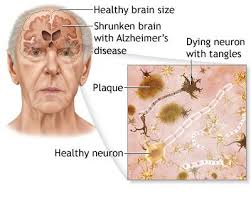 Little in life is as scary as the idea of forgetting our loved ones, our histories, and ourselves. Yet that is exactly what is happening to the more than 5 million people in North America suffering from Alzheimer’s disease.
Mild forgetfulness in the early years of the disease slowly expands to include serious problems with memory, language, and abstract reasoning until eventually this brain disorder robs its victims of the ability to function…
23 Apr 2015
 Fortification of foods with additional nutrients does have an impact on kids’ intake of vitamins and minerals, but many children and teens are still not getting adequate nutrition, according to a new US study.
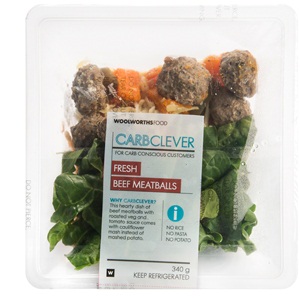 If you are watching your carbohydrate intake but can’t always find the time to cook from scratch (or find anything to buy in the shops), help is at hand.
 “I’m a zombie without my morning coffee.” “My blood type is Diet Coke.” “Caffeine isn’t a drug, it’s a vitamin.”
 Among a large group of Midwestern fire-fighters, greater adherence to Mediterranean-style diet was associated with lower risk factors for cardiovascular disease (CVD), according to a new study led by researchers from Harvard School of Public Health (HSPH) and Cambridge Health Alliance (CHA).
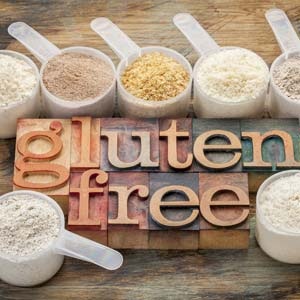 Under a searing midday sun, a herd of cattle circles atop a pile of golden teff, thrashing the wheat-like grain, a method that has been practised by Ethiopian farmers for centuries.
 Taking a multivitamin every day doesn’t seem to ward off thinking and memory problems. Nor will it prevent further heart disease or death among people who have already had a heart attack.
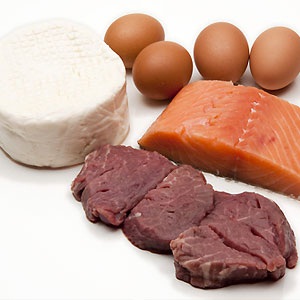 High protein diets such as Atkins, Dukan, South Beach, Miracle Metabolism and The Zone Diet have, for many years, extolled the benefits of diets low in carbohydrates. Claiming that healthy meals should rather contain higher amounts of protein and,in some cases such as the Tim Noakes diet or the Paleo diet, fat.
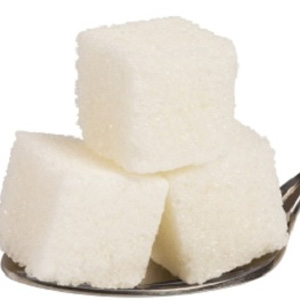 Adults should eat less than the equivalent of 6 teaspoons of sugar a day if they are to avoid health risks such as weight gain and tooth decay linked to sugary diets, the World Health Organisation said.
 Diet drinks may be linked to a higher risk of heart attacks, stroke and other heart problems in postmenopausal women, according to an informal study that could take some fizz out of enjoyment of the popular beverages.